

Good things concerning AMR awareness are happening in Greece.
One of our TGARF Representatives was in Greece in December, and visited the European College of Veterinary Public Health Laboratory of Hygiene of Food of Animal Origin – Veterinary Public Health School of Veterinary Medicine, Faculty of Health Sciences, Aristotle University and Campus, and had a very useful meeting with their staff. We had a good conversation on how to raise awareness and work together on some AMR issues. Their research about Poultry-issues was very interesting.
The Mediterranean region is very interesting to compare with the Nordic European area.
It was until around 2020 that it was still possible to get Antibiotics over the counter in Greece. But not anymore!
Raising awareness about antibiotic resistance is still very necessary, especially concerning animal medical treatments.
We need to collaborate with policymakers, medical professionals, and journalists in creating impactful solutions and let’s keep the focus on Antibiotic Stewardship for our future generation.
To be continued !
TGARF-Team.
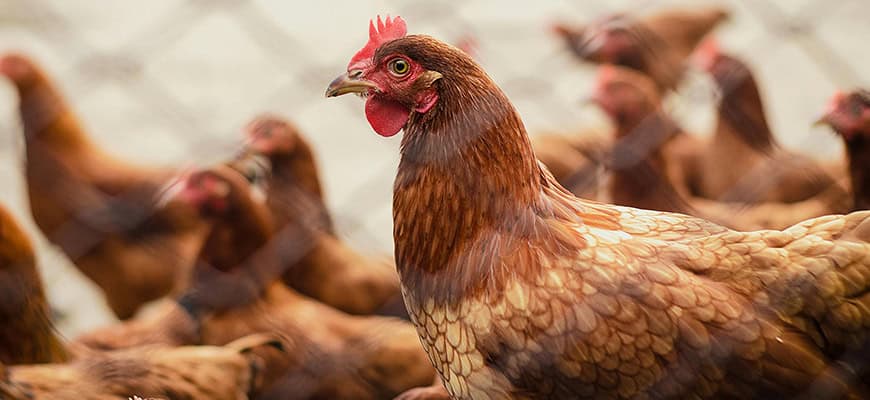
Short impression about their research:
Antimicrobial resistance (AMR) is a global public health challenge that tests the resilience of health systems worldwide. It significantly increases mortality and morbidity and drives up healthcare expenditures [1]. In 2019 alone, AMR was estimated to have contributed to 4.95 million deaths and 192 million Disability-Adjusted Life Years (DALYs.
The Greek research showed that Bacteria Isolated from Humans and the Kitchen Environment of Two Greek Hospitals were demonstrating resistance against various antimicrobials.
Their presence in food suggests that hospital kitchens could serve as antibiotic resistance reservoirs leading to patients’ infection. A protein profile analysis showed relatedness between chicken and kitchen environment strains, as well as between kitchen environment and patient strains originated either from the same or from different hospitals. Conclusions: The results suggest that hospital kitchens may act as important pathogen hotspots contributing to the circulation of resistant strains in the hospital environment. (A theory could be that those bacteria live on the skin of the chicken).